The best board games depend on who is playing and what kind of evening you want, from early learning games to compact logic challenges and classic tabletop favorites. These picks cover different ages, group sizes, and play styles so you can match the game to your household or gathering.
Quick Top Products
Educational Insights The Sneaky, Snacky Squirrel Game
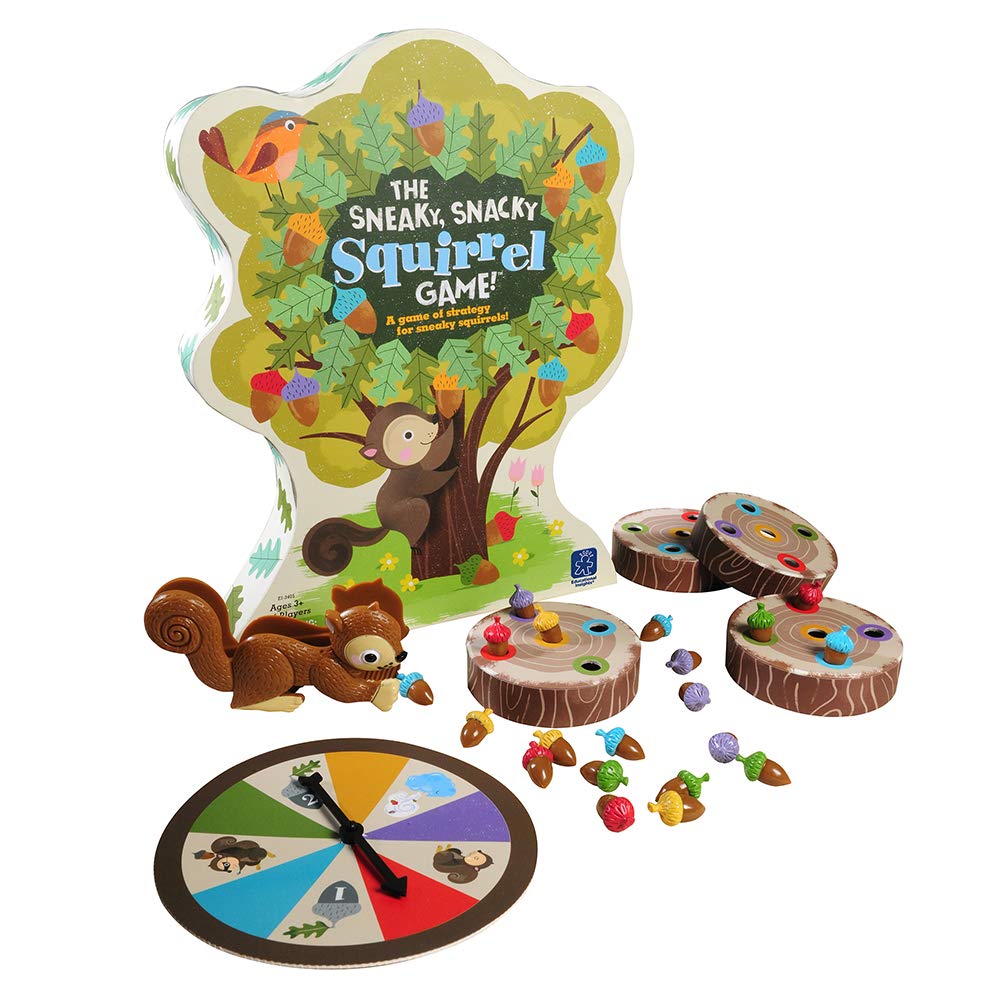
- Uses a squirrel squeezer to pick up matching colored acorns.
- Designed for two to four players ages three and up.
- The tree-shaped board also serves as the storage box.
Best For: Preschoolers practicing colors, turn-taking, and hand control through a simple competitive game.

Learning Resources Sum Swamp Game
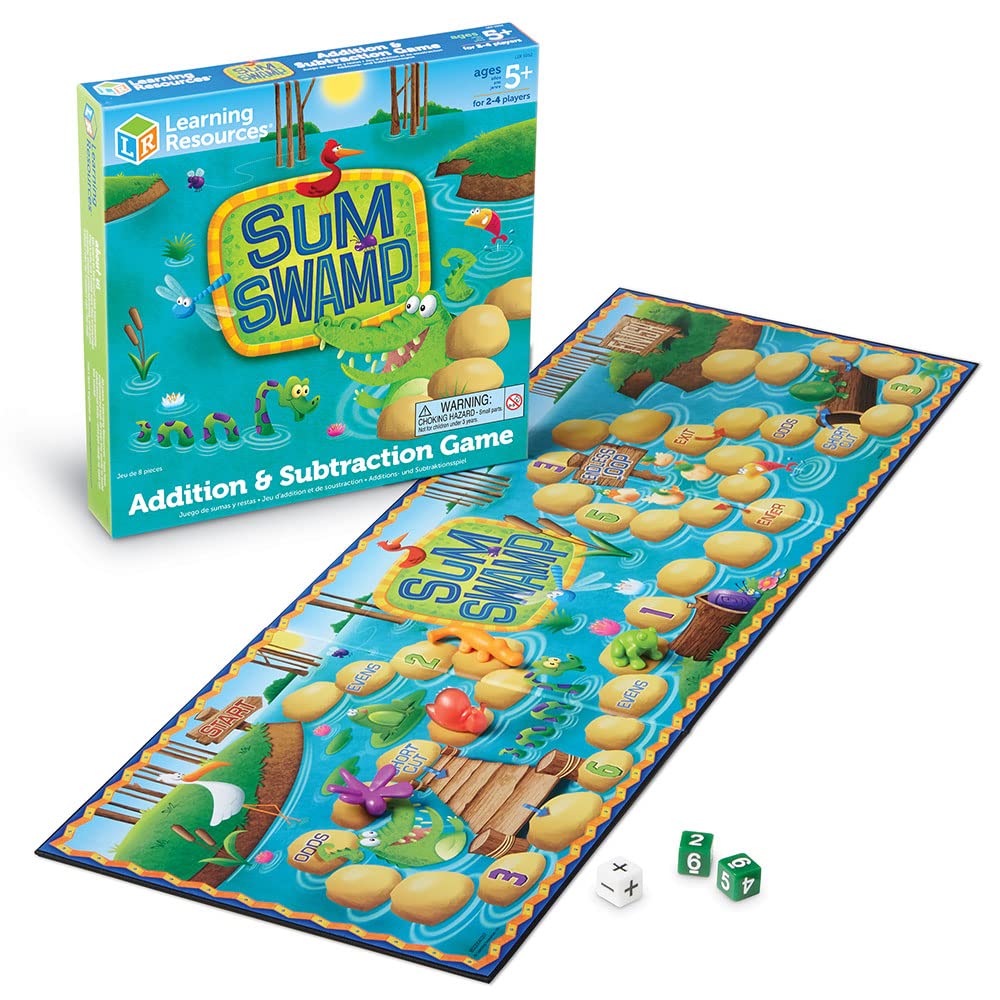
- Practices addition, subtraction, and even and odd numbers.
- Aimed at kindergarten and first-grade students.
- Includes a sturdy board with swamp-themed graphics and colorful creature pieces.
Best For: Kindergarten and early elementary players who want math practice built into a family game.
The Happy Puzzle Company The Genius Star
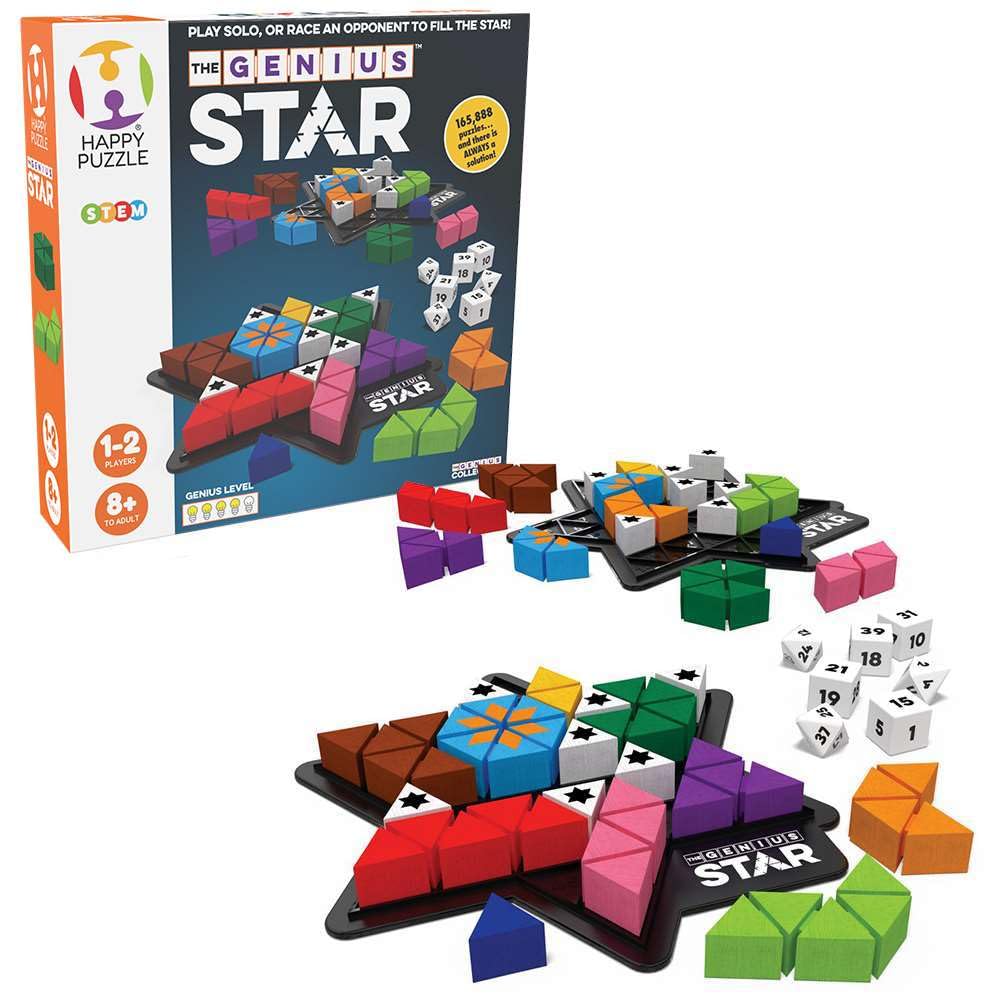
- Challenges players to complete a star with Tetris-style pieces.
- Supports solo play or head-to-head play with a friend.
- Includes two game boards, 26 play pieces, and seven dice.
Best For: Players ages eight and up who enjoy spatial puzzles alone or in a two-player race.
Kollide by Relatable
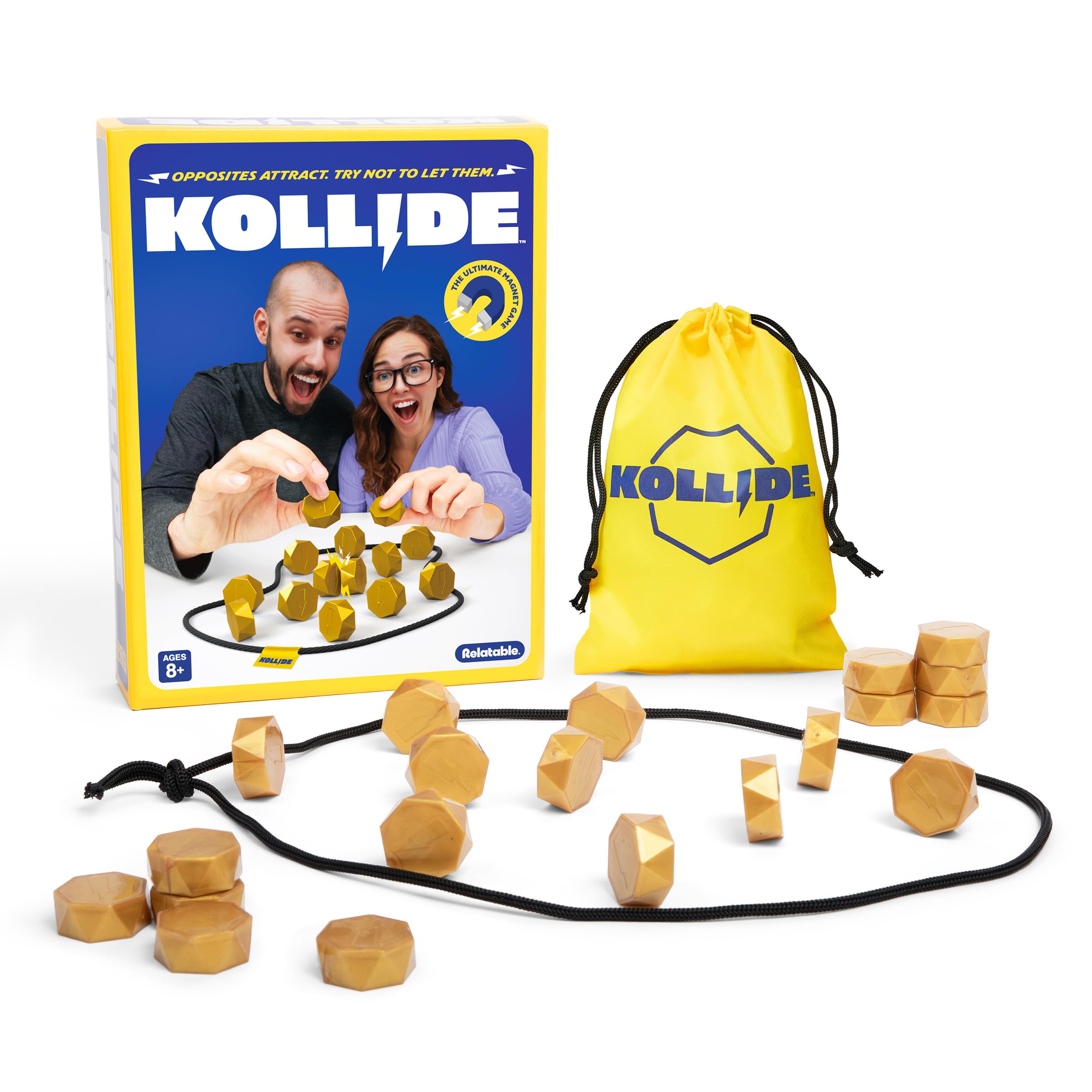
- A magnetic family game with 20 magnets and a rope.
- Comes with a carrying bag and instructions.
- Designed for ages eight and up.
Best For: Families and friends looking for a compact two-player magnetic game to bring on trips.
SmartGames Three Little Piggies Deluxe
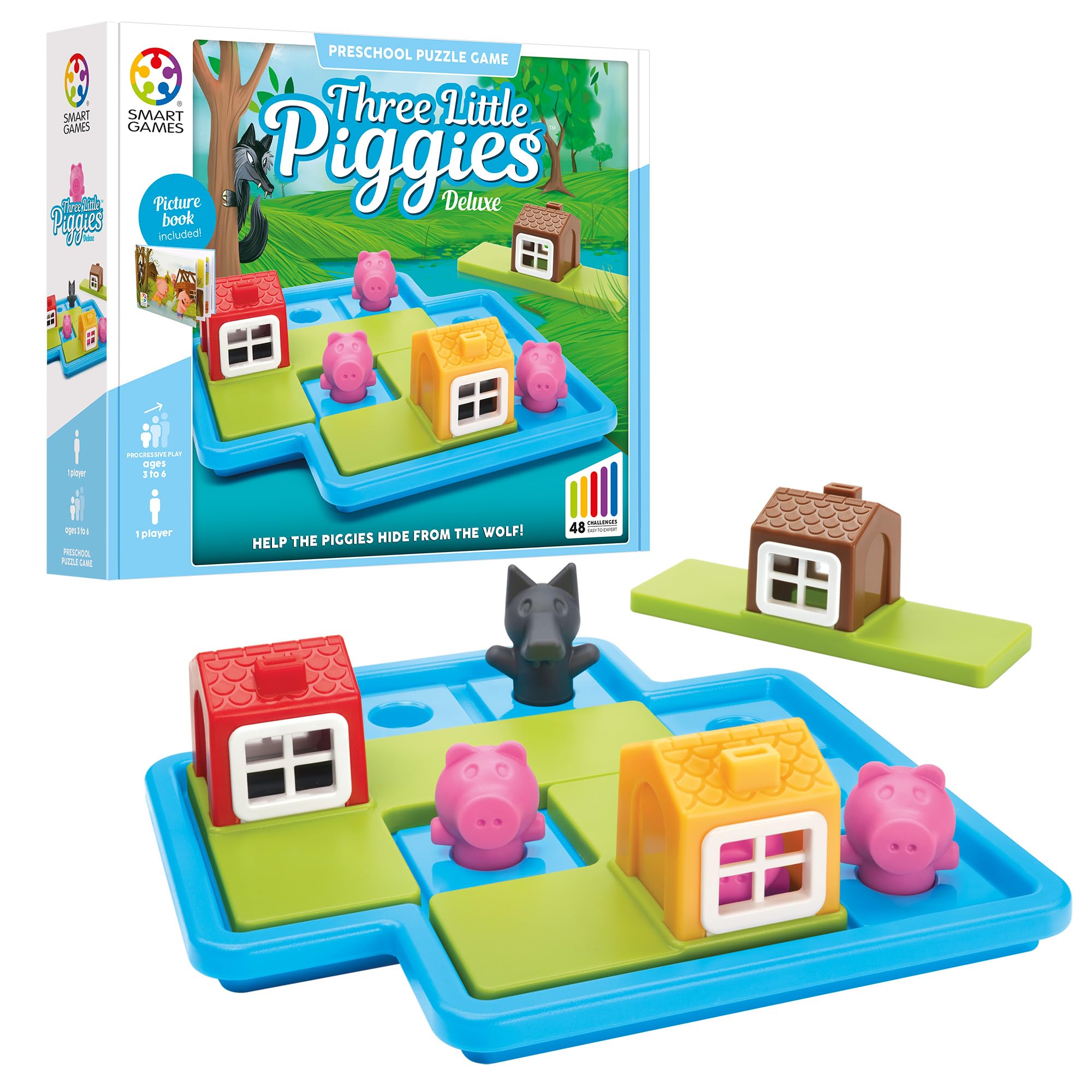
- Includes 48 progressive challenges and a wordless storybook.
- Offers daytime and nighttime challenge modes.
- Designed for ages three to six with large, easy-to-grip pieces.
Best For: Children ages three to six ready for an independent, screen-free logic puzzle with a story theme.
Bits and Pieces Large Shut The Box Game
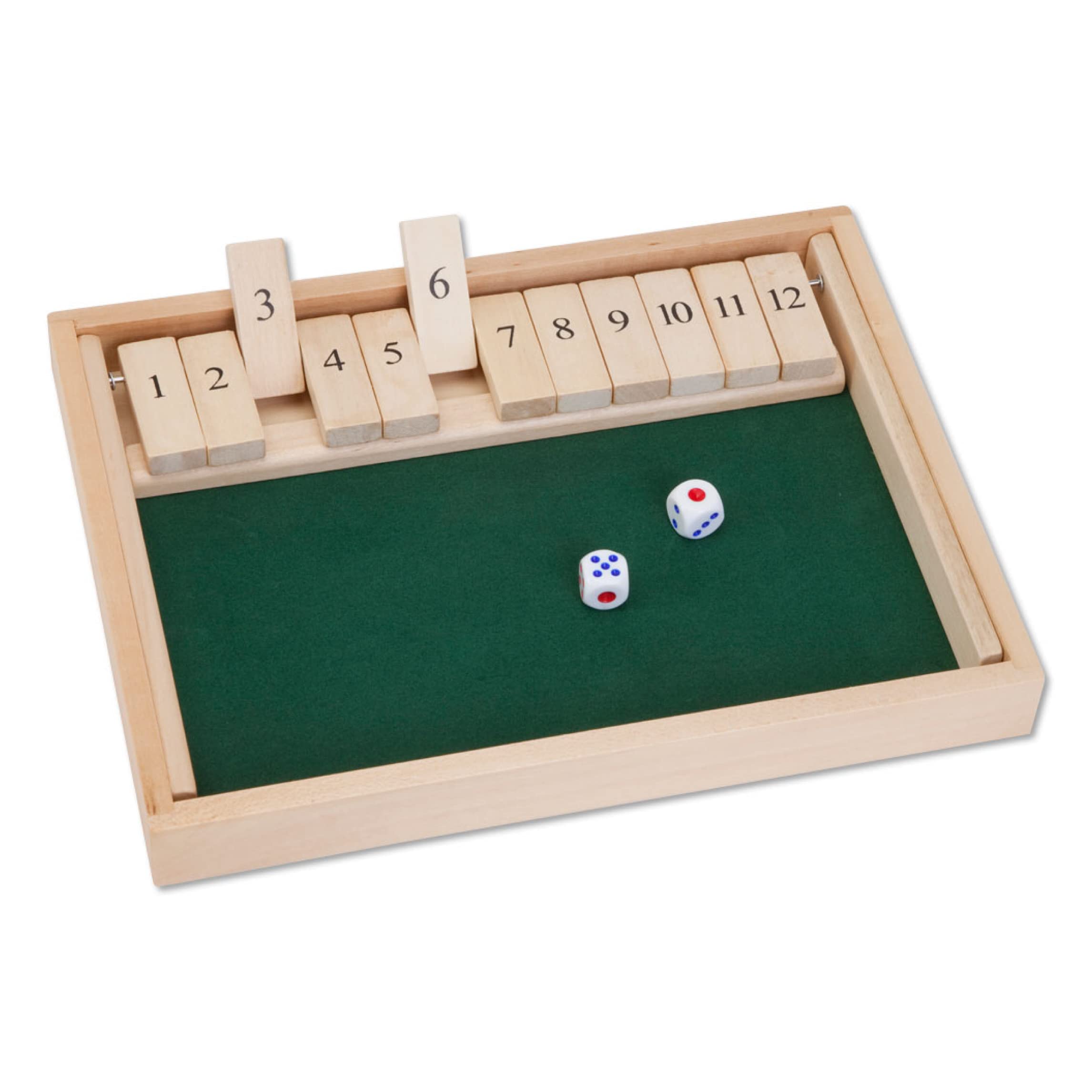
- Offers three games with different combinations and scoring methods.
- The wooden game box has a green velveteen lining.
- Includes two dice and instructions.
Best For: Families and friends who want a simple wooden dice game with several scoring variations.
Continent Race Geography Board Game
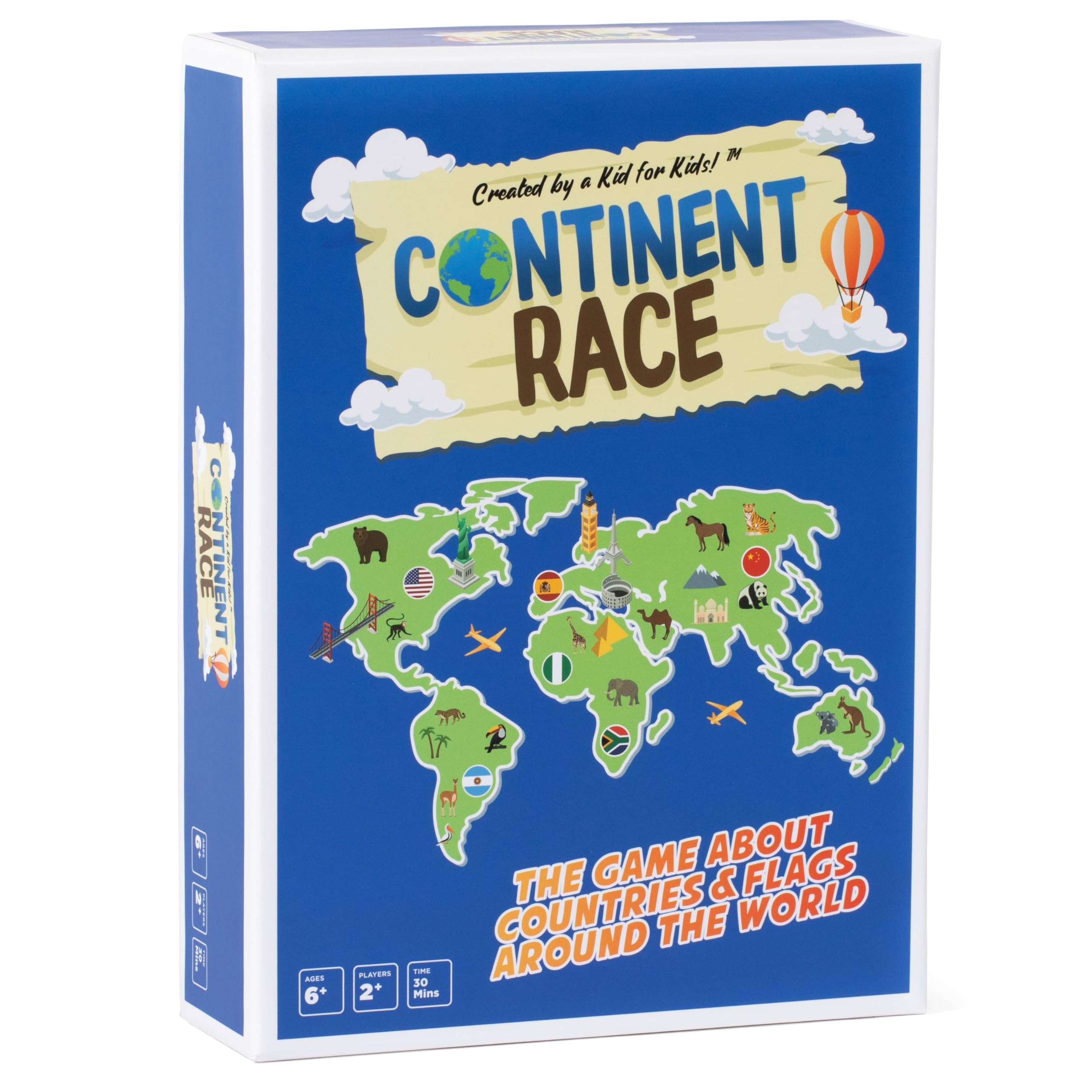
- Centers play on continents, countries, and flags.
- Includes cards, continent maps, and rules.
- Aimed at children and adults as a family activity.
Best For: Kids, tweens, and families who want a game centered on continents, countries, and flags.
WE Games 14-Inch Shut The Box
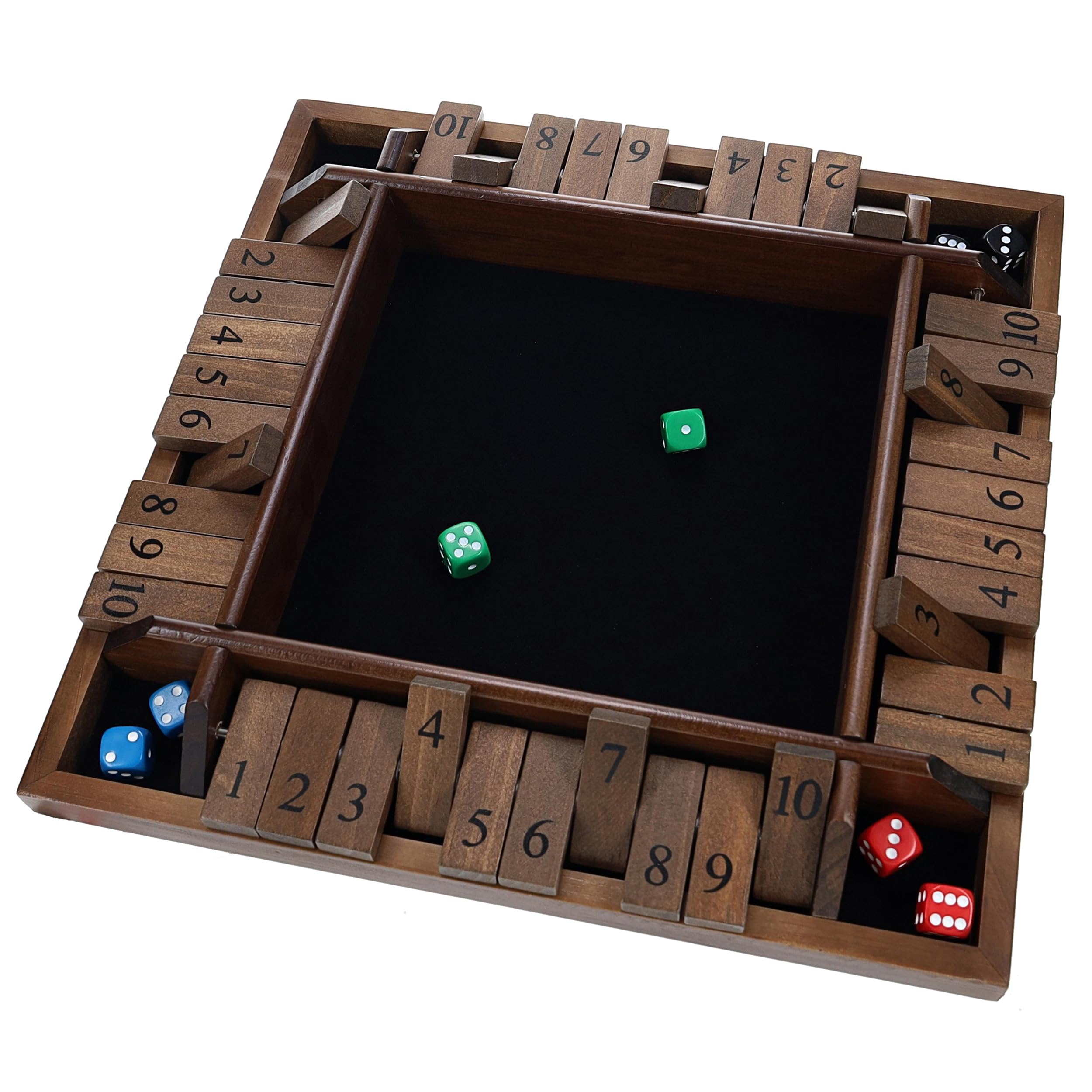
- Has a 14-inch board with ten number tiles.
- Includes eight dice for one to four players.
- Made with solid hardwood and a soft felt playing surface.
Best For: Small groups who want a classic dice game on a larger hardwood board.
Learning Resources Money Bags Coin Value Game
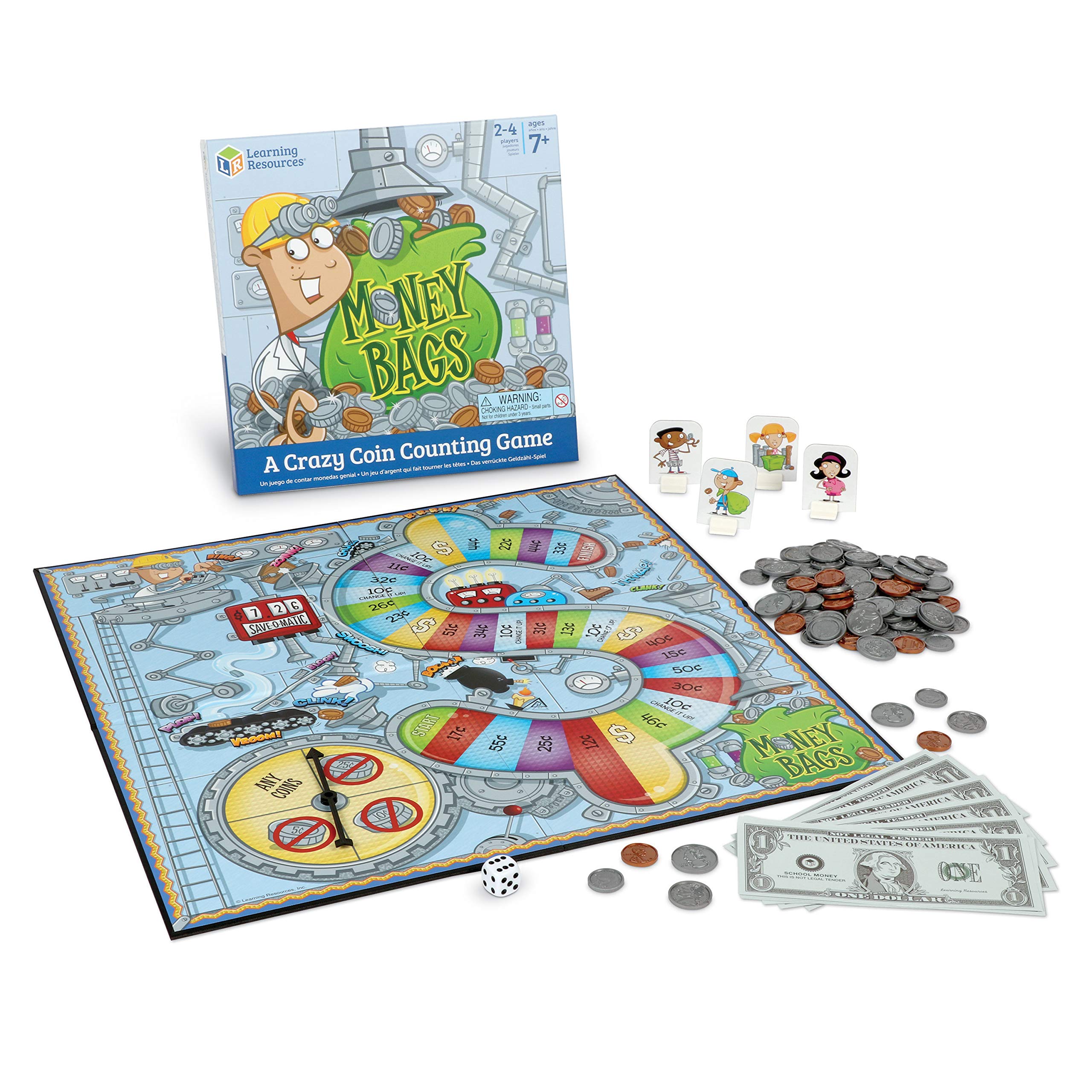
- Players collect, count, and exchange money while moving toward the finish.
- Includes a board, spinner, 100 plastic coins, play bills, markers, and dice.
- Focuses on money skills through gameplay.
Best For: Children practicing coin recognition, counting, and basic money skills through play.
Preschool Fine-Motor Favorite
Educational Insights The Sneaky, Snacky Squirrel Game - Toddler Board Games for 3 Year Olds, Fine Motor Skills Toys for Toddlers, Color Matching Preschool Games, Tweezer Tool Fine Motor Game
The Sneaky, Snacky Squirrel Game gives preschoolers a turn-by-turn objective: spin, find a matching acorn, and use the squirrel squeezer to pick it up. Its color matching and fine-motor play suit children practicing taking turns while playing with others.
The set includes a tree-shaped board that doubles as the box for easy setup and cleanup. It supports two to four players and is designed for ages three and up.
Choose it for younger children who enjoy hands-on play; its preschool focus makes it less suited to older players seeking a complex strategy game.
Best For: Preschoolers practicing colors, turn-taking, and hand control through a simple competitive game.
| Pros | Cons |
|---|---|
|
|
Choose this for a young child who enjoys a simple shared activity with a tactile component. The squeezer gives each turn a hands-on task, while the matching rule keeps the goal easy to follow.
Check that the intended players are comfortable with small game pieces and the age range. Older children or adults looking for strategic depth may find its preschool focus limiting.
Early Addition and Subtraction Practice
Learning Resources Sum Swamp Game Addition & Subtraction Board Game - Educational Homeschool, Elementary Math Classroom Must Haves, Kindergarten, Gifts for Kids, Numbers for Boys and Girls
Sum Swamp turns addition and subtraction practice into a themed board game for young learners. It also introduces even and odd numbers, making it a fit for families or classrooms looking to reinforce several early math ideas during play.
The swamp graphics and colorful creature pieces give the game a playful setting, while the quick-play format suits shorter sessions. Its focus is educational, so it works especially well when the goal is to make number practice feel more like game time.
Consider the children’s current math level before choosing it, since the core activity centers on basic arithmetic.
Best For: Kindergarten and early elementary players who want math practice built into a family game.
| Pros | Cons |
|---|---|
|
|
This is a practical pick when arithmetic practice is the main reason for adding a game to family or classroom time. Its coverage of addition, subtraction, and parity gives it more than one learning angle.
Before buying, check whether the children are ready for those concepts and confirm the age and group-size guidance from the package. Families seeking a story-led or non-educational game may prefer another style.
Solo or Head-to-Head Logic Puzzles
The Happy Puzzle Company The Genius Star | Toy of The Year Award Winning Family Board Game | 165,888 Possible Puzzles | Filling in Colored Shapes | Blockers to Complete A Star | Golden Star Twist
The Genius Star is a compact puzzle-game option for people who like fitting shapes into a defined space. Players roll dice, place blockers, then use Tetris-style pieces to complete a star-shaped board.
The record gives it 165,888 possible setups and supports solo play or competition between two players, so it can suit both quiet individual challenges and a quick head-to-head session. The set includes two boards, pieces, dice, and instructions.
Its appeal rests on spatial reasoning and problem solving rather than a broad group game, making player count a key consideration.
Best For: Players ages eight and up who enjoy spatial puzzles alone or in a two-player race.
| Pros | Cons |
|---|---|
|
|
Choose The Genius Star when a puzzle challenge is more appealing than a large-group board game. Solo play makes it suitable for independent sessions, while its two-board setup allows a friend to race through the same kind of challenge.
Check the age recommendation and confirm that spatial puzzles fit the intended player’s interests. Its small player range is a poor match for a family gathering that needs everyone involved at once.
Portable Magnetic Family Game
Kollide by Relatable - Influencer Choice Award 2025 Winner, Exciting Magnetic Game for Family Game Night, Fun Games for Kids - Includes 1 Rope, 20 Magnets, and Instructions
Kollide is a magnetic tabletop game built around placing magnets within a rope boundary. The set includes 20 magnets, a rope, a carrying bag, and instructions, so it has portable-play elements for road trips, camping, or a smaller game-night setup.
It is intended for ages eight and up and is presented as a strategy game for families. Because the notes also compare its theme to magnetic chess, buyers should check the rules and play style to make sure it fits their group.
It is a more compact, direct option than a multi-piece learning board game.
Best For: Families and friends looking for a compact two-player magnetic game to bring on trips.
| Pros | Cons |
|---|---|
|
|
Kollide suits buyers who want a portable, hands-on game and are comfortable learning a magnetic placement challenge. It includes a carrying bag for the pieces, and the age guidance starts at eight.
Check the precise player count and rules before buying, especially if you need a game for a larger group. Its magnetic game format may suit buyers looking for a different kind of challenge from a board game designed to teach a particular school skill.
Story-Driven First Logic Game
SmartGames Three Little Piggies Deluxe — Award-Winning Preschool Logic Puzzle with Storybook | 48 Challenges, 2 Play Modes | Builds Spatial Reasoning & Logic | Ages 3–6
Three Little Piggies Deluxe pairs a wordless illustrated storybook with logic challenges based on the familiar fairy tale. The 48 challenges use two modes: daytime puzzles place the pigs outside, while nighttime puzzles have them hide from the wolf.
The large pieces are designed for small hands, and the game is intended for ages three to six. Its progressive challenge structure can suit a child who enjoys working through a puzzle independently or with an adult nearby.
Choose it for story-linked spatial reasoning rather than a conventional turn-based group game.
Best For: Children ages three to six ready for an independent, screen-free logic puzzle with a story theme.
| Pros | Cons |
|---|---|
|
|
Pick this for a younger child who likes fairy tales and hands-on puzzles, especially when independent play is a priority. The day and night modes offer a clear shift in the challenge, and the wordless storybook adds a shared storytelling activity without requiring reading.
Check that a puzzle format fits the child better than a competitive game with several players. Its age range is focused on younger children.
Three-in-One Classic Dice Game
Bits and Pieces - Large Shut The Box Game - 3-in-1 Board Game - 12 Dice Board Game - Wooden Pub Tabletop Game Box - 2 Dice Included
This wooden Shut the Box game offers three game variations that use different number combinations and scoring methods. The tabletop box has a green velveteen lining and comes with two dice and instructions.
It is recommended for ages ten and up and suitable for two or more players, which makes it a straightforward candidate for casual family or pub-style play. Its appeal is in the familiar dice-based format and choice of rules rather than a narrative or educational theme.
Check the playing surface and available table space if you plan to leave it out between sessions.
Best For: Families and friends who want a simple wooden dice game with several scoring variations.
| Pros | Cons |
|---|---|
|
|
Choose this version if having several ways to score matters more than a large board or an educational theme. Its two dice and instructions keep the equipment straightforward, while the three variations provide a choice of play.
Check the dimensions if table space is limited and ensure the age recommendation fits the group. It is a simple dice game, so players seeking a long-form strategy or story experience should look elsewhere.
Geography Learning for Family Groups
Continent Race Geography Educational Board Game for Kids, Tweens, Family, Friends, Teachers and Classrooms - Learn About Flags & Countries Around The World
Continent Race focuses on geography learning through continents, countries, and flags. Its record identifies cards, continent maps, and rules as included components, making it a useful direction for families or classrooms wanting a geography-themed activity.
The supplied notes describe the game as suitable for children and adults, though the age detail appears as six-plus in the product information. The notes do not provide a clear player count or a complete explanation of turn structure, so check those details before buying.
Its specific educational topic distinguishes it from general strategy and dexterity games.
Best For: Kids, tweens, and families who want a game centered on continents, countries, and flags.
| Pros | Cons |
|---|---|
|
|
This is the most topic-specific choice for buyers hoping to bring world geography into family or classroom game time. The maps and cards suit a learning-focused activity, while the broad audience description suggests it can include adults alongside children.
Check the player count, exact rules, and age guidance before choosing it for a particular group. Buyers mainly seeking a classic strategy game or a quick dexterity challenge will find a closer match elsewhere.
Large Hardwood Shut the Box Set
WE Games 14 inch 1-4 Player Shut The Box Wooden Board Game, Walnut Stain
This WE Games set gives Shut the Box a larger 14-inch board, ten number tiles, and eight dice for one to four players. Its solid hardwood construction and felt playing surface give it a traditional tabletop feel, while the felt-lined underside is intended to protect the table.
The product is framed for family game nights, bar play, and parties. Choose it if a larger board and a defined one-to-four-player range suit your setup.
Before buying, consider where you will store or display the board, since it is a full-size tabletop game rather than a pocket-sized travel option.
Best For: Small groups who want a classic dice game on a larger hardwood board.
| Pros | Cons |
|---|---|
|
|
Pick this Shut the Box set if the larger playing area, hardwood build, and included eight dice fit your game space. Its one-to-four-player range is clear, and the felt details suit tabletop use.
Consider where it will live when not in play, since the board is larger than a compact travel game. Buyers who want several rule variations should compare it with a version that explicitly includes three games.
Hands-On Money Skills Game
Learning Resources Money Bags Coin Value Game - Classroom Math Games, Financial Literacy for Kids, Play Coins for Kids, Counting Games, Money Board Game
Money Bags turns collecting, counting, and exchanging play money into the central activity. Its set includes a game board with spinner, 100 plastic coins, play bills, markers, and dice, giving children tangible pieces to handle while they practice money skills.
The notes position it for classroom math and financial literacy, as well as home learning. This makes it a focused educational pick rather than a general strategy game.
Check the age guidance and player count before purchase, since those details are not provided in the supplied product notes.
Best For: Children practicing coin recognition, counting, and basic money skills through play.
| Pros | Cons |
|---|---|
|
|
Choose Money Bags when the learning goal is recognizing and working with play money. The coins, bills, board, and spinner create a hands-on format for money practice.
Check the suggested ages and group size before buying, particularly if using it with a classroom. Its focus on money skills makes it less suitable for buyers who want a broad entertainment game without an educational objective.
How to Choose Board Games
How We Picked Best Board Games
This selection prioritizes games that are complete play experiences and offer a clear use case for a household, classroom, or small gathering. It includes preschool matching and motor-skill play, early math and money activities, geography learning, a story-led logic puzzle, a flexible shape challenge, and classic dice games.
Replacement checker pieces were left out because they do not make a complete game on their own. The goal is to give readers options across ages and styles without treating every educational toy or tabletop accessory as interchangeable.
Consider who will play before choosing by theme. The Sneaky, Snacky Squirrel Game and Three Little Piggies Deluxe are designed around young children, while The Genius Star and Kollide are better suited to older players who enjoy spatial or strategic challenges.
Money Bags, Sum Swamp, and Continent Race build learning into play, but each focuses on a different topic.
Comparing Best Board Games
The biggest differences are age fit, group size, and what players do on each turn. Sum Swamp and Money Bags bring math concepts into a board-game format, while Continent Race centers on geography.
The Sneaky, Snacky Squirrel Game emphasizes matching and hand control; Three Little Piggies uses solo logic challenges; and The Genius Star turns shape placement into a puzzle race. Kollide adds a portable magnetic format, while the Shut the Box options keep play centered on dice and number combinations.
Check the listed player range where it is provided. The Squirrel Game supports two to four players, Kollide suits compact play, and WE Games' 14-inch Shut the Box includes eight dice for one to four players.
The Bits and Pieces version offers three scoring variations and is suitable for two or more. For products without a clear player count in the notes, confirm the box details before planning a group night.
| Product | Standout features | Best for |
|---|---|---|
| Educational Insights The Sneaky, Snacky Squirrel GameCheck Price |
| Preschoolers practicing colors, turn-taking, and hand control through a simple competitive game. |
| Learning Resources Sum Swamp GameCheck Price |
| Kindergarten and early elementary players who want math practice built into a family game. |
| The Happy Puzzle Company The Genius StarCheck Price |
| Players ages eight and up who enjoy spatial puzzles alone or in a two-player race. |
| Kollide by RelatableCheck Price |
| Families and friends looking for a compact two-player magnetic game to bring on trips. |
| SmartGames Three Little Piggies DeluxeCheck Price |
| Children ages three to six ready for an independent, screen-free logic puzzle with a story theme. |
| Bits and Pieces Large Shut The Box GameCheck Price |
| Families and friends who want a simple wooden dice game with several scoring variations. |
| Continent Race Geography Board GameCheck Price |
| Kids, tweens, and families who want a game centered on continents, countries, and flags. |
| WE Games 14-Inch Shut The BoxCheck Price |
| Small groups who want a classic dice game on a larger hardwood board. |
| Learning Resources Money Bags Coin Value GameCheck Price |
| Children practicing coin recognition, counting, and basic money skills through play. |
Choosing a Board Game by Age and Learning Goal
For preschool board games, focus on the action each child will repeat. Matching acorns, collecting bones, or placing large puzzle pieces gives young players a concrete task.
The Squirrel Game is a color-matching choice, while Three Little Piggies adds a wordless story and day and night puzzle modes. Look for simple turn structure if children are still learning to share and wait.
For educational board games for kids, choose the subject that matches the skill you want to practice. Sum Swamp focuses on addition, subtraction, and even or odd numbers.
Money Bags uses play bills and coins for counting and exchanging. Continent Race brings countries, flags, and continents into the game.
These topic-led options are most useful when their learning focus matches the players' current interests and level.
Family Board Games for Different Group Sizes
A family game night can work better with a game that fits the number of people who will actually play. The larger Shut the Box set has a one-to-four-player range, while the Bits and Pieces version is suitable for two or more.
Kollide includes a carrying bag and suits buyers looking for a magnetic game to take along. The Genius Star can be played solo or head-to-head, so it also works when only one other person is available.
If a game is meant for a classroom or a larger family, check the player count and whether teams are supported before purchase. Some learning games in this selection do not include a clearly stated group size in the product notes.
A complete component list is also useful: it helps confirm whether the game includes its board, cards or pieces, and any storage needed for repeat play.
Who Should Buy Which Board Game
Choose The Sneaky, Snacky Squirrel Game for preschool color matching and tactile turns, or Three Little Piggies Deluxe for a younger child who prefers individual puzzles and a story theme. Pick Sum Swamp for early arithmetic, Money Bags for play-money practice, and Continent Race for geography.
These games each have a focused learning purpose, so the best fit depends on the child and the subject.
For shape puzzles, The Genius Star offers solo and two-player challenges; Kollide brings magnetic play and a carrying bag. Choose the WE Games 14-inch Shut the Box if a larger hardwood board and a one-to-four-player format fit your table, or the Bits and Pieces version if three scoring variations are the draw.
Match the format, age guidance, and number of players to how the game will be used.